

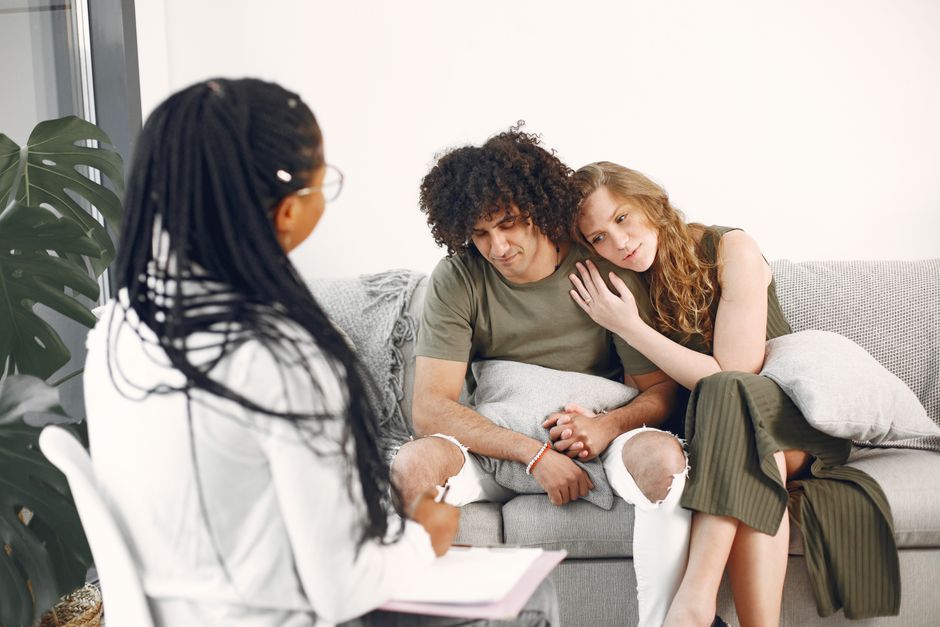
More couples than ever are choosing to meet with a therapist from their own living rooms. Maybe you and your partner have considered it too. One of you travels often, your schedules are packed, or you simply feel more at ease talking from home. And then a fair question arrives: does online couples therapy actually work as well as sitting across from a therapist in person? The short answer, based on current research, is that online couples therapy is a genuinely effective option for many couples. The longer answer involves looking at what studies show, acknowledging where the limits are, and helping you decide what fits your relationship. Here is what the evidence says.
What Research Shows About the Effectiveness of Online Couples Therapy
Research on couples therapy has been consistent for years. Studies have shown that couples therapy effectively reduces relationship conflict and increases relationship satisfaction. The newer question is whether those benefits survive the move to videoconferencing. A 2022 review on couples therapy delivered through videoconferencing examined relationship outcomes, mental health, and the therapeutic alliance, and it found reason for optimism about the online format.
More recent studies have reached similar conclusions. One study found that virtual couples therapy can improve relationship satisfaction, mental health, and other outcomes just as well as face-to-face therapy. That finding matters for couples who were previously unsure whether a screen would get in the way of meaningful progress.
The overall numbers are encouraging too. Research shows that couples therapy positively impacts about 70 percent of couples receiving treatment, and the same body of evidence suggests online couples therapy works just as well as the in-person format. In one survey of couples using online therapy platforms, 88 percent rated their therapist 4 or 5 out of 5. Strong therapist performance like that is a meaningful part of why virtual sessions produce real results.
The Therapeutic Alliance Holds Up Online
One of the biggest concerns couples raise about virtual therapy is connection. Can you build trust with a therapist you have never met in person? Can you be vulnerable from your own bedroom? The research on videoconferencing suggests the answer is yes. Studies examining the therapeutic alliance in online couples therapy have found that the relationship between the couple and the therapist remains strong, even without shared physical space.
That may be because the core conditions of good therapy are not tied to a specific room. A therapist who listens well, asks thoughtful questions, and creates a sense of safety can do that on a video call just as effectively. The high satisfaction ratings mentioned above reinforce this point. When couples feel heard and supported by their therapist, they are more likely to engage with the work, practice new skills at home, and experience the relationship improvements that therapy is designed to create.
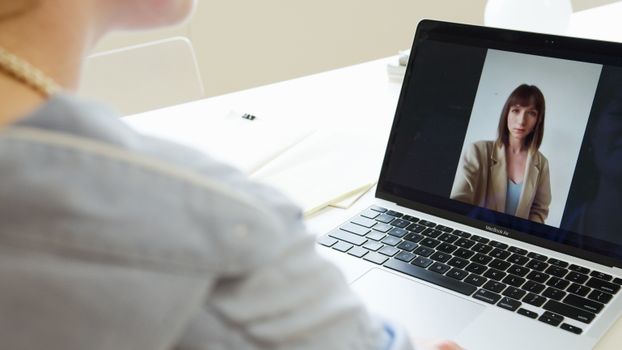
The Practical Benefits of Online Couples Therapy
For many couples, the biggest barrier to counseling is not reluctance. It is logistics. Online couples therapy eliminates many of the barriers that prevent couples from getting help in the first place. There is no driving across town after exhausting workdays, no arranging childcare around both the drive and the session, and no risk of arriving already tense because of traffic. You log on from home, and the session begins.
That convenience has a real effect on consistency. Couples are more likely to show up for sessions week after week when therapy fits into their lives instead of demanding they rearrange everything around it. Consistent attendance is one of the clearest pathways to progress.
Online therapy also expands your options. It helps you expand your ability to find the right therapist for you beyond the limitation of your local area. You can look for a licensed therapist who specializes in the exact issues you are facing, whether that is trauma, anxiety, or a specific relationship pattern. For couples seeking optional faith-based counseling, that wider search can be especially valuable.
Sessions themselves can also give you practical, lasting tools. Online couples therapy equips couples with tools to communicate effectively and resolve conflicts. Because you are practicing in your own environment, some couples find it easier to apply those skills in real conversations after the session ends.

When In-Person Therapy May Be the Better Fit
It would not be honest to claim that online couples therapy is superior for every couple in every situation. Some therapists have expressed caution about broad statements that telehealth is just as effective for everyone. Saying “telehealth is just as effective” can be an oversimplification when it is applied without nuance. In a therapist community discussion about virtual couples therapy, clinicians noted that making that claim without getting into the specifics of each case is not best practice.
There are situations where in-person care is likely to serve a couple better. If a relationship is in active crisis, if there are safety concerns, or if one partner struggles so much with technology that it becomes the focus of every session, an office setting may be the stronger choice. Some therapists may also prefer in-person work for trauma processing or when nonverbal cues are especially important. The right approach depends on a careful assessment, not a blanket rule.
How to Decide What Fits Your Relationship
The effectiveness of online couples therapy depends on more than the format. It depends on fit. Here are some questions to consider as you weigh your options:
-
Do you have a private, quiet space where you can speak openly without being overheard?
-
Are you both comfortable with video technology, or would connection problems distract from the conversation?
-
Does your relationship feel stable enough that a virtual setting feels safe, or would an office provide helpful structure?
-
Are you looking for a specialized therapist who may not be available in your immediate area?
A licensed therapist who is trained in couples counseling can help you work through these questions. That is true whether you meet online or in person. The strongest predictor of success is not the screen or the office. It is the quality of the therapeutic relationship and the willingness of both partners to show up and do the work.

Frequently Asked Questions
Is online couples therapy as effective as in-person couples therapy?
Research indicates that online couples therapy is a genuinely effective option for many couples. Studies have found that virtual sessions can improve relationship satisfaction, mental health, and other outcomes just as well as face-to-face therapy. The format may differ, but the core therapeutic work is the same, and couples consistently report strong satisfaction with their online therapists.
What percentage of couples benefit from couples therapy?
Research shows that couples therapy positively impacts about 70 percent of couples who receive treatment. The same research suggests that online couples therapy appears to work just as well as in-person therapy for many couples. Outcomes still depend on the couple’s commitment, the therapist’s skill, and how well the chosen format fits the couple’s specific needs.
Can online couples therapy help with communication and conflict?
Yes. Couples therapy, including online sessions, has been shown to reduce relationship conflict and increase relationship satisfaction. Online therapy also gives couples practical tools to communicate effectively and resolve conflicts. Many couples find it helpful to practice these skills at home, where the real-life disagreements actually happen.
How do I know if online couples therapy is right for my relationship?
The best way to know is to talk with a licensed therapist who can assess your situation. Online therapy is a strong fit for couples who face logistical barriers, want a wider choice of therapists, or feel comfortable talking from home. Some situations, such as crisis-level conflict or safety concerns, may call for in-person care. An honest assessment will help you decide.
If you and your partner are ready to strengthen your relationship, the research should give you confidence. Online couples therapy is not a lesser version of counseling. For many couples, it is the version that makes counseling possible in the first place. The most important step is finding a licensed therapist who is a good fit for both of you, and then showing up consistently, whether that means logging on from your living room or meeting face to face.