
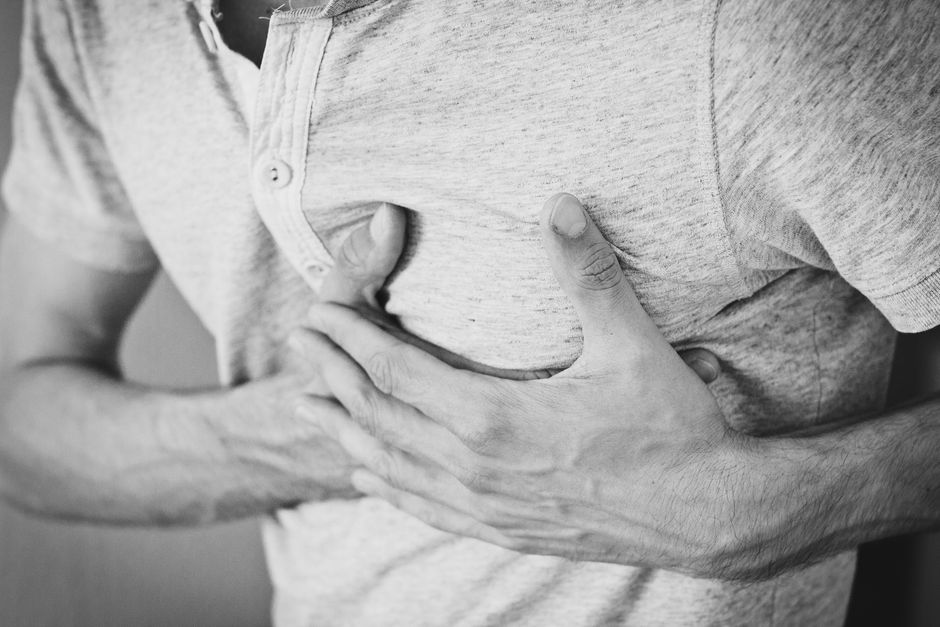
Anxious moments are part of being human. Occasional anxiety is a normal response to stress, and it can even help you prepare for a challenge. For many people, though, anxiety becomes more persistent and more intense. It can show up as excessive worry about everyday situations, and it often brings physical symptoms along with it. Your heart may race, your chest may feel tight, and your stomach may ache. These body reactions are real, and they are more common than you might think. No matter how rational you may feel, anxiety has a way of making itself known in physical ways. Learning how anxiety shows up in your body is one of the best ways to recognize what is happening and take the next step toward feeling better.
Why Does Anxiety Produce Physical Symptoms?
When anxiety is part of an anxiety disorder, it is not just a passing worry. Anxiety disorders involve frequent, intense, excessive and persistent worry and fear about everyday situations. These feelings are often difficult to control and can seem out of proportion to the actual danger. They can interfere with daily activities and make it hard to feel grounded. In many cases, anxiety includes repeated episodes of sudden intense fear or terror that reach a peak within minutes. Those episodes are called panic attacks. The physical sensations that come with them, such as a racing heart, chest tightness, shortness of breath, trembling and stomach distress, are your body’s natural response to a mind that is signaling danger. Your body may react before your mind has time to catch up. That is why anxiety can feel so physical. It is not something you imagine, and it is not a sign of weakness.
Common Physical Symptoms of Anxiety
Anxiety can affect nearly every part of the body. Common physical symptoms include panic attacks, hot and cold flushes, a racing heart, tightening of the chest, quick breathing or shortness of breath, headaches, stomach upset and chest tightness. People also report shakiness, muscle tension, fatigue and digestive issues. Everyone experiences anxiety differently, and you may not have all of these symptoms. Some people have one or two, while others feel several at the same time.
- Racing heart or heart palpitations
- Chest tightness or chest pain
- Shortness of breath or trouble breathing
- Dizziness or lightheadedness
- Muscle tension, trembling or shaking
- Fatigue or exhaustion
- Headaches
- Digestive issues or stomach upset
Heart and Breathing Symptoms
One of the most common anxiety experiences is a rapid, fluttering or pounding heart, often called heart palpitations. You may also feel chest tightness or chest pain, or notice that you are breathing faster than usual. Some people develop trouble breathing or hyperventilate during anxious moments. Dizziness and lightheadedness frequently accompany these symptoms. A sense of impending doom can make the experience feel frightening, but it is a known part of the anxiety response. These symptoms may be strongest in the first few minutes of a wave of anxiety, and they can ease as the wave passes.
Muscle Tension and Movement Symptoms
Anxiety often settles in the body as muscle tension. You may notice tightness in your neck or shoulders, or catch yourself clenching your jaw or grinding your teeth. Trembling and shaking are common physical signs as well. Some people make impulsive movements, such as scratching, tapping or bouncing a leg. Sharp pains near the waist or chest can also appear during periods of anxiety.
Digestive Symptoms
The gut is highly sensitive to stress and anxiety. Digestive issues are one of the most frequently reported physical signs of anxiety, and they can appear alongside emotional worry. Stomach upset can become part of a cycle in which the physical discomfort makes the anxiety worse. Paying attention to this connection can help you understand how stress travels through your whole body and why caring for your digestion matters.
Fatigue, Sleep and Cognitive Symptoms
Anxiety is exhausting. Fatigue and exhaustion are common, even when you have not done anything physically strenuous. Sleep can also suffer, leaving you with unsatisfying sleep or a noticeable sleep disturbance that makes the next day harder. Some people wake up with morning dread, feel brain fog, or struggle to focus. Headaches can add another layer of discomfort. When anxiety keeps your mind active at night, your body feels it the next day.

Physical Symptoms During Panic Attacks
Panic attacks are a defining part of many anxiety disorders. They involve repeated episodes of sudden intense anxiety or fear that reach a peak within minutes. During a panic attack, you may experience a racing heart, tightening of the chest, quick breathing or shortness of breath, hot and cold flushes, and a sense of impending doom. These physical symptoms can feel overwhelming and may lead you to worry that something is seriously wrong. Knowing that panic attacks have a clear pattern can help you recognize the experience and remind yourself that it will pass.
Less Obvious Physical Signs of Anxiety
Some physical signs of anxiety are easy to miss because they do not always look like classic anxiety. Shakiness is one example. Rapid heartbeat is another, especially when it happens during ordinary activities. Digestive issues can be written off as something you ate, and unsatisfying sleep may be blamed on a busy mind. Jaw clenching and teeth grinding, dizziness, lightheadedness and chest tightness can also be overlooked. A heart that races during a meeting at work might be blamed on caffeine, or a churning stomach before a social event might be excused as nerves. Yet these are all real physical signs of anxiety. Recognizing these quieter signals can help you notice anxiety sooner and respond before it builds up.

High-Functioning Anxiety and Physical Symptoms
High functioning anxiety is a term used to describe people who, despite experiencing anxiety, manage to excel in their professional and personal lives. On the outside, these individuals can look successful and put together, while inside they are coping with persistent anxiety. The physical signs are often the same as other anxiety symptoms. They include increased heart rate, shortness of breath, sweating, trembling or shaking, muscle tension, fatigue, headaches and digestive issues. Because the person appears fine to others, these body signals may go unnoticed for a long time. If this sounds like you, your physical symptoms are valid even if no one else sees them.
Could It Be Anxiety or Something Else?
Physical symptoms like chest pain, shortness of breath, dizziness and stomach problems can also be signs of other health conditions. That can make it difficult to know whether your body is reacting to anxiety or whether something else is happening. If you are experiencing chest tightness, chest pain, trouble breathing or any symptom that concerns you, it is wise to talk with a healthcare provider. A medical check can help rule out other causes and give you a clearer picture of your health. From there, you can decide what kind of support might help, including therapy.
How to Ease Physical Symptoms of Anxiety
You do not have to wait for anxiety to pass before you care for your body. One simple strategy is doing distracting tasks. When your mind is caught up in anxious thoughts, a low-pressure activity can help shift your attention and interrupt the intensity of the moment. Recognizing your physical symptoms early also helps. Naming what you feel, such as tightness in your chest or a racing heart, can make the experience feel less overwhelming. Professional support can help too. A licensed therapist can walk with you as you explore what triggers your anxiety and find ways to respond with more ease.
Frequently Asked Questions
Here are answers to common questions about the physical side of anxiety.
Why does anxiety cause physical symptoms?
Anxiety is more than a worry in your head. Anxiety disorders involve intense, excessive and persistent fear that can be out of proportion to the situation. This heightened state can trigger physical reactions throughout the body, including a racing heart, chest tightness, shortness of breath, trembling and stomach distress. The body responds as if it needs to protect itself, and that response feels physical.
Can anxiety make you feel dizzy or lightheaded?
Yes. Dizziness and lightheadedness frequently accompany anxiety and are commonly reported alongside other physical signs such as chest tightness or pain. If you feel dizzy and also notice rapid heartbeat, shortness of breath or trembling, anxiety may be playing a role. Because dizziness can have many causes, it is a good idea to discuss it with a healthcare provider.
What are the physical signs of high-functioning anxiety?
High-functioning anxiety affects people who appear successful and capable while dealing with internal distress. Common physical signs include increased heart rate, shortness of breath, sweating, trembling or shaking, muscle tension, fatigue, headaches and digestive issues. These symptoms can happen even when a person is performing well at work or managing family life.
How can I stop feeling so physically anxious?
Doing distracting tasks is one strategy that can help ease physical symptoms of anxiety by giving your mind a break. It is also helpful to recognize early signs such as shakiness, rapid heartbeat or stomach upset before they intensify. If physical symptoms are frequent or concerning, speak with a healthcare provider and consider reaching out to a licensed therapist for support.